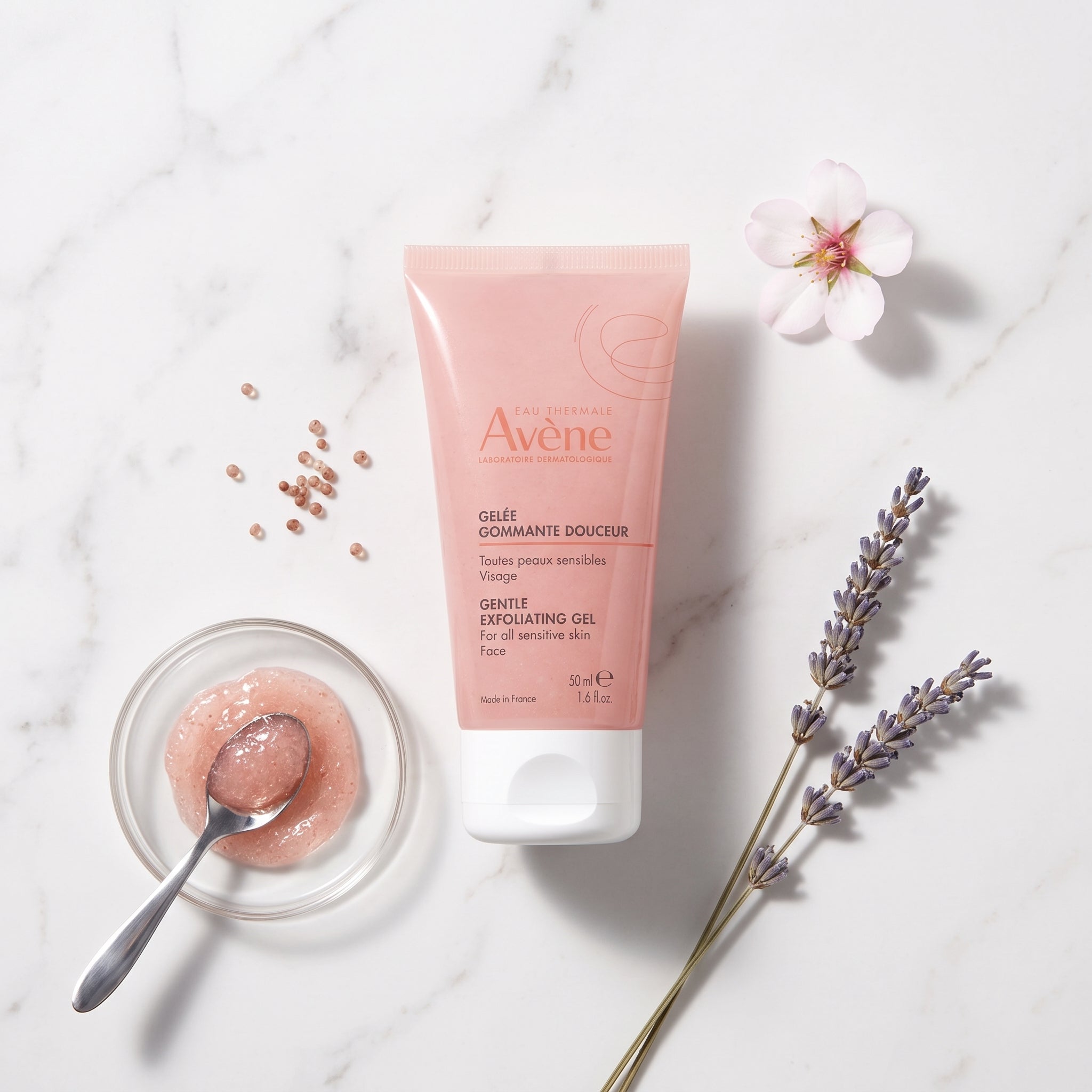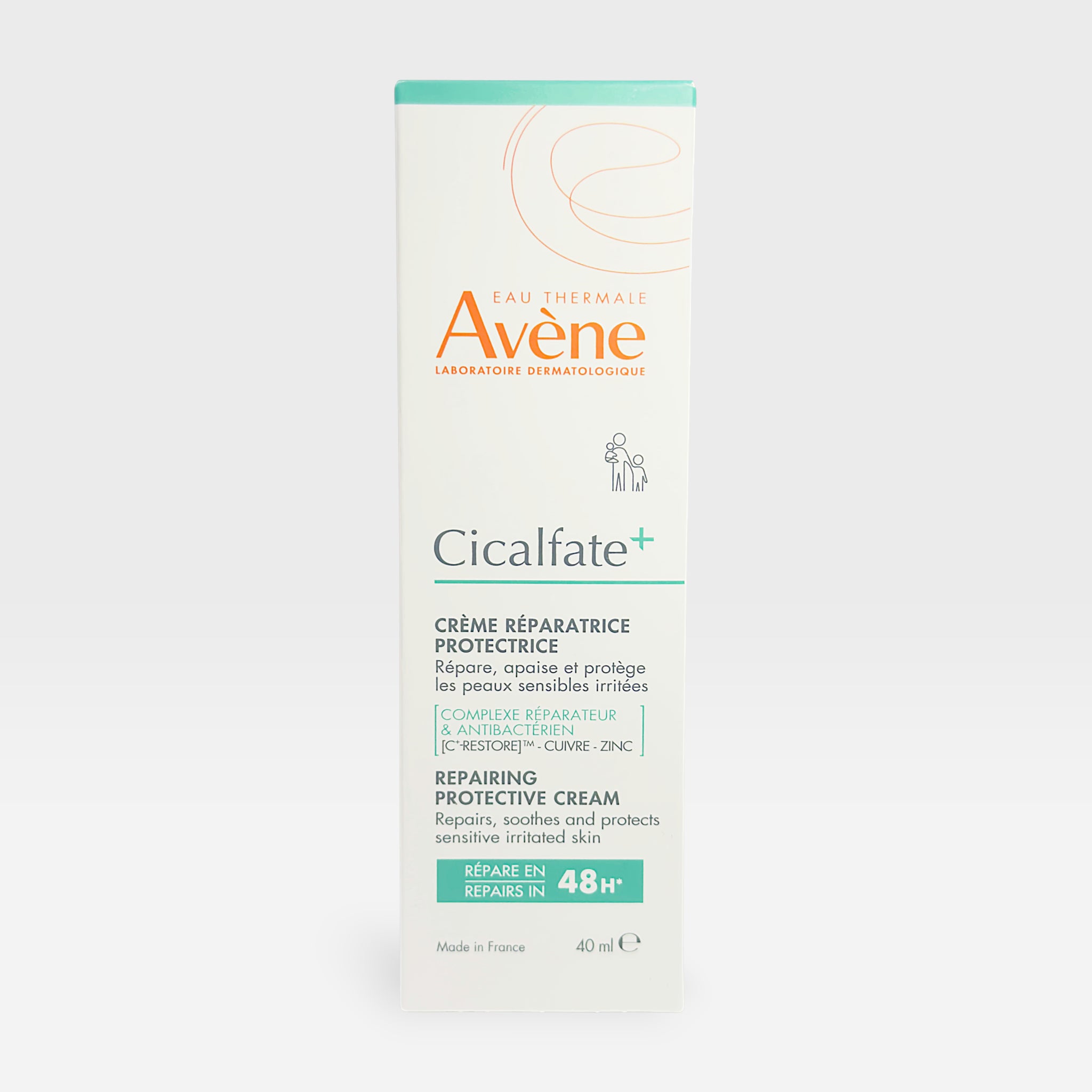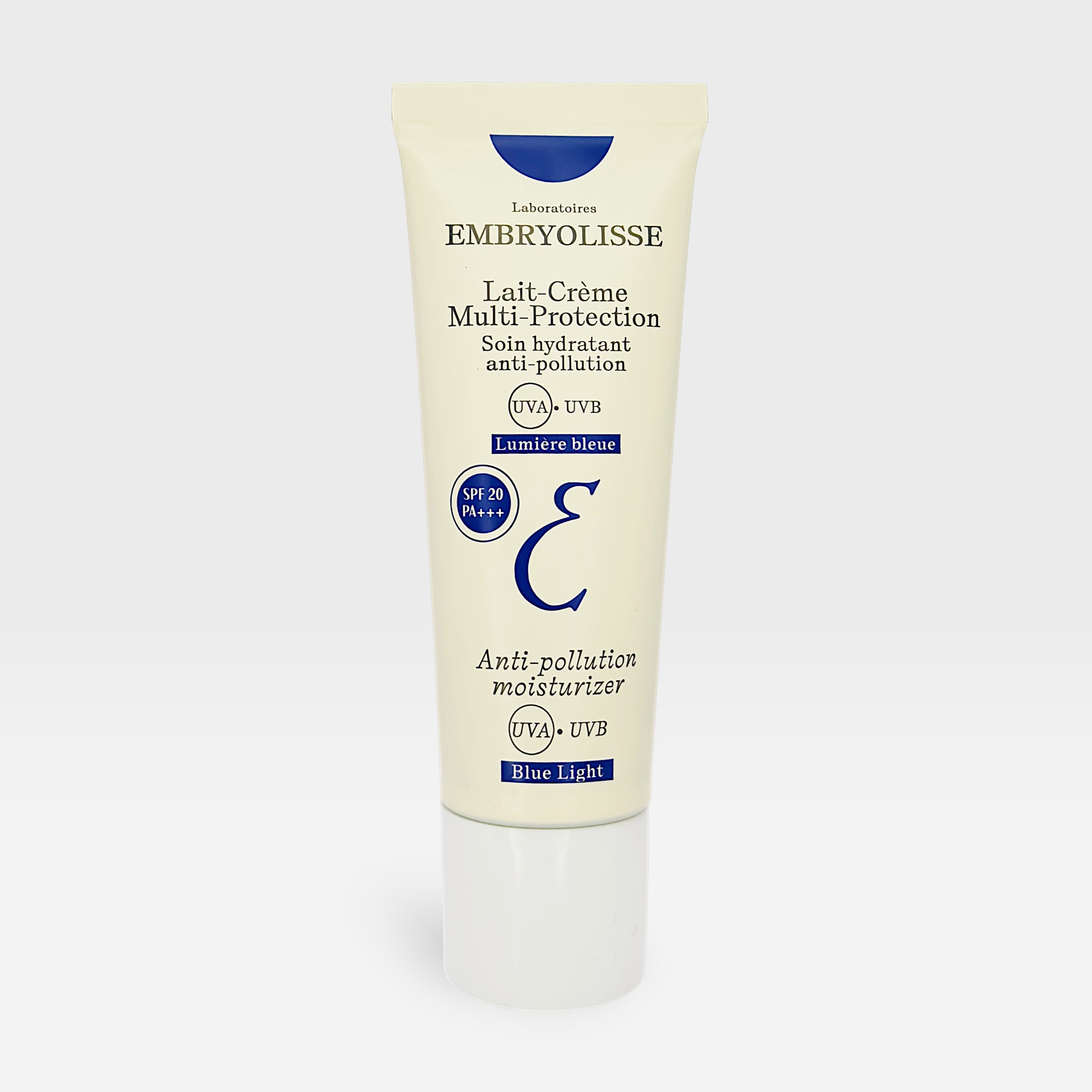
Walk into any pharmacy in Paris and you won't find a "clean beauty" section. There are no special shelves, no green labels, no marketing claims separating the clean from the conventional.
Because in France, the distinction was never necessary. Rigorous formulation has always been the standard – not the exception.
Here's what clean actually means when French pharmacy brands use it, and why it's a fundamentally different conversation than what the beauty industry has been having.
"Free-from" is not a formulation philosophy
The clean beauty movement in most markets is built around absence. No parabens. No sulfates. No silicones. The longer the "free-from" list, the cleaner the product appears.
The problem is that removing ingredients doesn't make a formula better. It just makes the marketing simpler.
Parabens, for example, are among the most studied preservatives in cosmetic science. The EU permits specific parabens at regulated concentrations because the evidence for their safety at those levels is robust. Many brands that removed parabens replaced them with preservatives that are less studied and, in some cases, more irritating.
French pharmacy brands don't build their formulas around avoidance. They build them around purpose. Every ingredient has a documented reason to be there. Everything else is left out – not because it's on a banned list, but because it doesn't serve the skin.
That's a meaningful difference.
The EU already sets one of the highest baselines in the world
Before a cosmetic product reaches a French pharmacy shelf, it must pass through one of the most rigorous regulatory frameworks in the global beauty industry.
The EU bans or restricts over 1,400 substances from use in cosmetics. Products must undergo a safety assessment by a qualified cosmetic safety assessor. Claims must be substantiated. Ingredient lists must be complete and accurate.
For comparison: the US federal government has banned approximately 11 cosmetic ingredients.
This regulatory baseline means that European consumers start from a position of relative safety that consumers in other markets don't have. When French pharmacy brands talk about clean formulation, they're building on top of an already strict foundation – not compensating for a lack of regulation.
Natural is not a synonym for safe. Synthetic is not a synonym for harmful.
This is the most persistent myth in the clean beauty conversation, and it causes real harm to consumers who make skincare decisions based on it.
Poison ivy is natural. Lead is natural. Meanwhile, hyaluronic acid – one of the most effective and well-tolerated hydrating ingredients in skincare – is synthetically produced. Retinol, the gold standard in evidence-based anti-aging, is a synthetic derivative of vitamin A. Niacinamide, widely used for brightening and barrier support, is a lab-made form of vitamin B3.
French pharmacy brands have always understood this. Their formulas blend botanical ingredients with synthetic actives based on one criterion: does this ingredient do what we need it to do, at a concentration that is safe and effective?
Caudalie combines Resveratrol – a natural grape-derived antioxidant – with synthetically stabilized delivery systems that allow it to actually penetrate the skin. Without the synthetic component, the natural ingredient wouldn't work. With it, you have one of the most clinically supported anti-aging serums in French pharmacy skincare.
The question is never natural versus synthetic. The question is always: what does this ingredient do, and does it belong here?
What certifications actually tell you
Certifications like ECOCERT and Cosmos Organic are useful signals – but they tell you about sourcing and manufacturing standards, not necessarily about skin performance or overall formula quality.
An ECOCERT-certified product meets specific criteria for the percentage of natural-origin ingredients and the ecological standards of the production process. That's meaningful if sustainability is your primary concern.
It does not tell you whether the formula is suitable for your skin type, whether the active ingredients are at an effective concentration, or whether the product will actually deliver on its claims.
Use certifications as one data point, not as a shortcut for the entire evaluation. A non-certified product from Avène or Bioderma that has been tested in clinical dermatology for decades tells you more about safety and efficacy than a certification label alone.
What to actually look for
Instead of scanning packaging for "free-from" claims or certification logos, look for these markers of genuine formulation integrity:
A short, purposeful ingredient list – every ingredient should have a reason to be there. Long lists with multiple fragrance components, colorants, or redundant fillers are a signal of formulation padding.
Clinically documented actives at effective concentrations – ceramides, hyaluronic acid, thermal spring water, niacinamide, retinol. These are ingredients with published research behind them. Check that they appear high enough on the ingredient list to actually make a difference.
Fragrance transparency – fragrance is the leading cause of contact allergy in skincare. Brands that are genuinely committed to skin health either remove it entirely or disclose individual fragrance components. "Parfum" at the end of an ingredient list with no further detail is a flag.
Dermatological testing on sensitive skin – not just "dermatologist-tested" as a checkbox, but brands that publish their methodology and test on reactive, compromised, or allergy-prone skin types.
The bottom line
Clean beauty in the French pharmacy tradition is not a label. It's not a certification. It's not a list of things a product doesn't contain.
It's a commitment to formulating with intention – using ingredients that are safe, effective, and present for a reason – within a regulatory environment that enforces a high baseline of consumer protection.
The brands we carry at frenchformulas were selected because they meet this standard. Not because they have the right words on their packaging, but because the formulas hold up under scrutiny.